Signs of Rats in Your Attic Every Fort Worth Homeowner Should Know
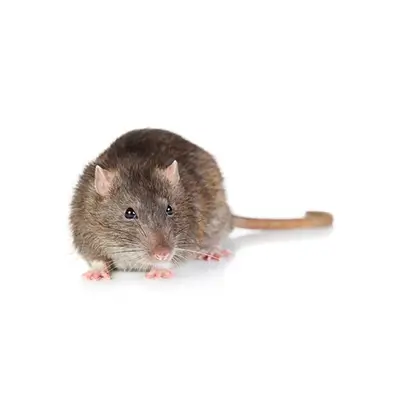
That scratching sound above your ceiling at 2 am is not just the house settling. If it keeps happening night after night, you are likely dealing with rats in your attic, and Fort Worth homes give them exactly what they are looking for: warm shelter, easy roofline access, and quiet spaces where they can nest undisturbed for weeks before anyone notices.
Catching the signs of rats in your attic early matters. The longer rats stay, the more damage they cause to insulation, wiring, and ductwork, and the more contamination builds up in spaces you use every day.
Why Attics Attract Rats in Fort Worth
Attics check every box for a rat looking for a place to settle in. They are warm, dry, protected from predators, and rarely visited by people, which means a rodent infestation can grow for a long time before anyone hears or sees anything.
Rats are nocturnal, so most attic activity happens after dark. Fort Worth’s mix of older rooflines, mature trees near homes, and warm months that stretch well into fall gives roof rats and Norway rats plenty of opportunity to find a way in and stay comfortable once they do.
Common Signs of Rats in Your Attic
You do not need to go digging through insulation to spot a problem. Most of the time, the evidence is easy to notice once you know what to look for:
Rat droppings: Dark, capsule-shaped pellets near beams, boxes, or walls
Scratching sounds: Movement overhead, usually after dark
Scurrying noises: Quick, light footsteps along the ceiling or rafters
Gnaw marks: Chewed wood, wiring, pipes, or stored boxes
Greasy rub marks: Dark smudges along beams and entry points from repeated contact
Urine stains: Discoloration paired with a musty odor
Damaged vents or screens: Torn or bent roof vents that look like an entry point
Droppings and Odors
Rat droppings are larger than mouse droppings, usually about half an inch to three-quarters of an inch long with rounded ends. Fresh droppings look moist and dark, while older ones dry out and crumble easily.
A musty odor usually points to urine buildup in one area over time. A stronger, more unpleasant dead rat smell often means an animal died somewhere in the attic or wall void, which needs to be located and removed.
Sounds You Might Hear
Scratching and scurrying noises are some of the clearest signs of an active problem. Because rats are nocturnal, this activity tends to pick up in the evening and continue through the night, often quieting down again before sunrise.
Not every noise means rats. Squirrels are more active during the day, and plumbing or settling can sometimes sound similar. Consistent nighttime activity over several days is a stronger signal than a single noise.
Physical Damage Signs
Gnaw marks are one of the most telling signs of rat activity, since rats need to chew constantly to keep their teeth from overgrowing. This becomes a real problem when it involves electrical wiring, since exposed wires can spark and create a fire hazard.
Insulation damage is another common find, often paired with shredded material pulled together to form rat nests. Ductwork can also take damage, which affects how efficiently your HVAC system runs.
Roof Rats, Norway Rats, and Mice: What Is the Difference
Roof rats are excellent climbers and typically enter homes through the roofline, using trees, power lines, and gutters to reach the attic. Norway rats are bulkier and tend to stay closer to the ground, though they will still make their way into an attic if the access point is there.
Mice are smaller than both and leave much smaller droppings, but they can still cause meaningful damage and should not be dismissed just because the signs seem minor.
How Rats Get Into Your Attic
Rats do not need much room to work with. A gap slightly larger than half an inch is enough for a rat to squeeze through, and they will gnaw at weak spots to make an opening bigger over time.
Common entry points include:
Damaged or poorly sealed roof vents
Gaps along the roofline and fascia boards
Openings around utility lines and pipes
Torn or missing screens over attic vents
Overhanging tree branches that touch the roof
What Happens If the Signs Are Ignored
A small rat problem does not stay small for long. Left alone, a rodent infestation multiplies quickly, and the damage spreads with it: more insulation torn up, more wiring exposed, more contamination across the attic.
Rats can also carry rodent-borne disease, which makes proper cleanup and disinfection important once an infestation has been confirmed. Waste should not be swept or vacuumed dry, since disturbing it can release contaminated particles into the air.
Preventing Rats From Returning
Once rats are gone, keeping them out is the next priority. Effective rodent exclusion focuses on the same entry points rats used to get in:
Seal roof vents and gaps: Repair or replace anything damaged along the roofline
Trim back trees: Keep branches away from the roof so rats cannot climb across
Secure food sources: Store pet food and birdseed in sealed containers
Address moisture: Fix leaks that give rats an easy water source
Schedule regular inspections: Catch new damage before it becomes an entry point
Full attic remediation means treating the infestation, the damage, and the access points together, not just one piece of the problem.
When to Call for Help
Spotting the signs early is the best thing a homeowner can do, but removing rats safely and sealing an attic against future activity is not always a DIY job, especially once wiring, insulation, or ductwork is involved. If you are seeing droppings, hearing scratching at night, or noticing damage in your attic, Sniper Termite and Pest Control can inspect your Fort Worth home, confirm what you are dealing with, and handle removal, exclusion, and cleanup from start to finish.
Have Queries?
Pest Control Fort Worth – Best in the Business
Request a Quote Today
Reach Us
Location :
220 S Sylvania Ave, Suite 111,
Fort Worth, TX 76102