How to Spot Signs of Termites in Fort Worth Homes
Many homeowners do not realize they have termites until visible damage begins appearing around the home. Because termites often stay hidden behind walls, beneath flooring, or inside wooden structures, a termite infestation can continue for months before warning signs become obvious.
In North Texas, subterranean termites are especially common due to the region’s warm climate and soil conditions. By the time damage becomes noticeable, termites may have already spread through wooden support areas, baseboards, or door frames.
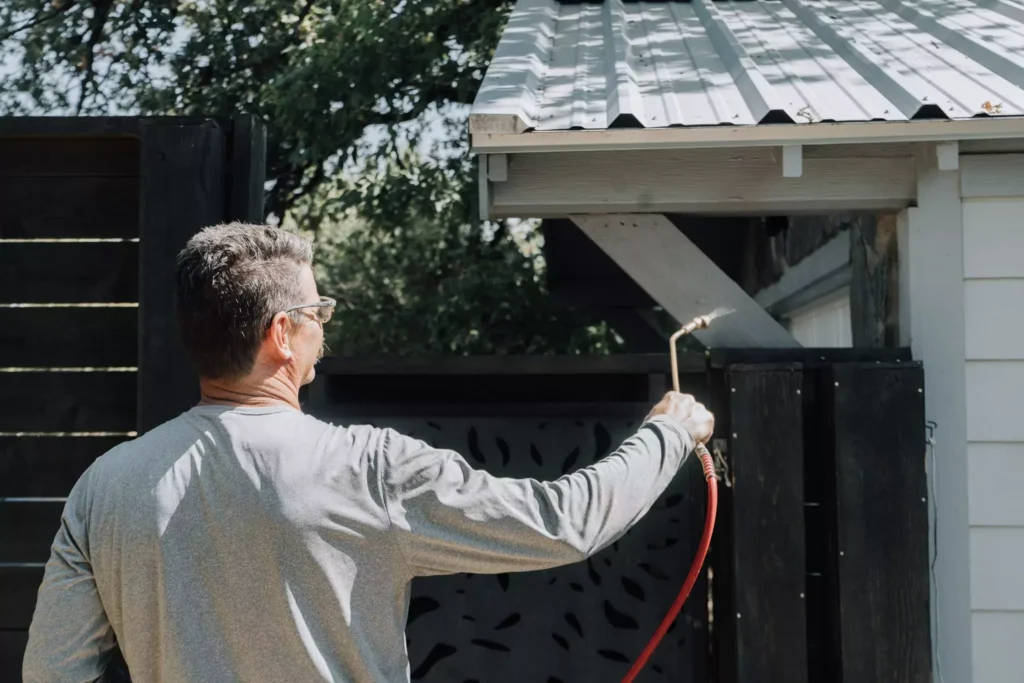
Sniper Termite & Pest Control helps homeowners identify and treat termite problems before structural damage becomes more severe. Use this early warning checklist to spot some of the most common signs of termites homeowners should watch for throughout the year.
Quick Termite Warning Checklist
Homeowners should watch for:
Mud tubes near the foundation or slab foundation
Discarded wings around windowsills or garages
Hollow-sounding wood or blistered wood
Sagging floors or warped floorboards
Bubbling or peeling paint
Sticking doors or sticking windows
Frass or small pellet-like debris
Swarming termites during swarming season
Moisture problems near crawl spaces or gutters and downspouts
Wood-to-soil contact around decks, fences, or firewood storage
Why Termites Are a Common Problem in Fort Worth
Fort Worth homes provide ideal conditions for subterranean termites. Warm temperatures, seasonal moisture, and wood-to-soil contact around foundations can all attract termite colonies.
Subterranean termites typically live underground and travel through mud tubes to reach wooden structures. Because they often enter homes from below, homeowners may not realize termite activity is present until damage becomes more advanced.
Homes with excess moisture, poor drainage, plumbing leaks, or untreated wood near the foundation may face a higher risk of termite problems. Poor moisture control around the home can also create conditions that attract termites. Older homes and properties with crawl spaces can also become more vulnerable over time.
Early termite detection is important because colonies can continue expanding while remaining largely hidden from view.
Common Signs of Termites Homeowners Should Never Ignore
Mud Tubes Along Foundations or Walls
Mud tubes are one of the most recognizable signs of subterranean termites. These narrow, dirt-colored tunnels are commonly found along foundation walls, crawl spaces, garages, or exterior brick surfaces.
Termites build mud tubes, sometimes called shelter tubes, to protect themselves while traveling between their underground colony and a food source. The tubes help maintain moisture and shield termites from open air and sunlight.
Even a small mud tube can indicate a larger termite colony nearby. Homeowners should avoid disturbing the area until a professional inspection can determine whether active termite activity is present.
Hollow or Damaged Wood
Termites feed on cellulose found in wood and other plant-based materials, which means damage is not always immediately visible. Wooden beams, flooring, trim, or cabinets may begin sounding hollow when tapped. Surface damage may appear minor even when more serious structural damage is developing internally.
In some cases, paint may appear bubbled or uneven due to moisture buildup caused by hidden termite damage beneath the surface. Wood may also become soft, brittle, or begin crumbling in damaged areas.
Because termites often remain hidden inside walls or support structures, visible wood damage can sometimes indicate a more advanced infestation.
Swarming Termites Near Windows or Doors
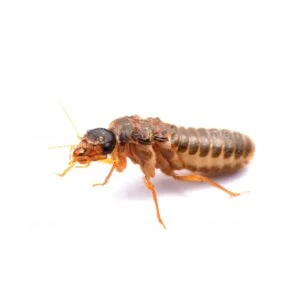
Swarming termites, sometimes called alates, are reproductive termites that leave an established colony to start a new one. Homeowners may notice flying termites gathering near windows, doors, garages, or outdoor lights.
In North Texas, termite swarms often appear during warmer months, especially after rainfall or periods of higher humidity.
Many homeowners mistake termite swarmers for flying ants. However, termites have straight antennae, equal-length wings, and thicker body shapes compared to ants.
A sudden swarm indoors can indicate an active termite colony somewhere inside or near the structure.
Discarded Wings Around the Home
After swarmers land and begin searching for nesting areas, they typically shed their wings.
Small piles of transparent wings near windowsills, entryways, garages, or baseboards can be an early warning sign of termite activity. Homeowners sometimes notice wings without ever seeing the termites themselves.
Discarded wings may appear shortly after a swarm but should never be ignored, especially when combined with other signs of termite activity.
Frass or Small Piles of Debris
Some termite species leave behind small pellet-like debris known as frass. Homeowners often mistake this material for sawdust, dirt, or pepper-like particles near damaged wood.
Although subterranean termites are more common in Fort Worth, homeowners may still notice unusual debris around wooden structures, trim, or damaged areas.
Because frass can sometimes resemble ordinary dirt or dust, professional inspection may be necessary to determine whether termites or another wood-destroying pest is present.
Why Homeowners Often Miss Early Termite Activity
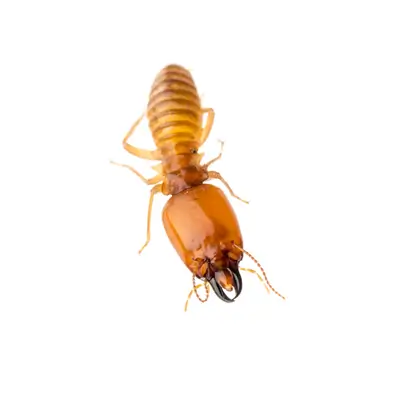
Many homeowners never actually see live termites because worker termites stay hidden inside wood, soil, or mud tubes. In most cases, the first warning signs appear as small changes around the home rather than visible insects.
Termites feed from the inside out, which means structural damage can continue developing even when surfaces still appear normal. A colony may remain active behind walls, beneath flooring, or inside support beams long before homeowners notice obvious damage.
This is one reason early warning signs like mud tubes, discarded wings, bubbling paint, or hollow-sounding wood should not be ignored. Even minor signs can sometimes point to a larger hidden infestation.
Less Obvious Signs of a Possible Termite Problem
Not all termite warning signs are immediately obvious. In many cases, homeowners first notice small changes around the home that gradually become worse over time.
Some additional warning signs homeowners should watch for include:
Sticking doors or sticking windows
Sagging floors, warped floorboards, or uneven wood surfaces
Bubbling paint, peeling paint, or cracked drywall
Faint clicking sounds inside walls
Excess moisture around foundations or crawl spaces
Small cracks appearing near wooden trim or support areas
These issues do not always mean termites are present, but they can sometimes point to hidden structural damage or moisture problems that attract termite activity.
Signs That May Be Mistaken for Termites
Some termite warning signs can resemble normal aging, water damage, or other pest issues.
For example, bubbling paint or warped wood may look similar to moisture damage caused by leaks. Flying ants are also commonly mistaken for termite swarmers during warmer months.
However, termites usually leave behind additional evidence such as mud tubes, discarded wings, hollow wood, or hidden structural damage.
If multiple warning signs appear together, homeowners should consider scheduling a professional termite inspection to determine whether active termite activity is present.
Areas of the Home Most Vulnerable to Termites
Termites are often drawn to dark, damp, or poorly ventilated areas where wood and moisture are easily accessible.
Common areas homeowners should inspect include:
Crawl spaces
Foundation edges
Wooden fences
Decks and patios
Garages
Attics
Plumbing entry points
Exterior wood siding
Areas around leaking pipes, drains, gutters and downspouts, or mulch beds
Regular inspections around these areas may help homeowners identify warning signs earlier before major structural damage develops.
What Fort Worth Homeowners Should Do if They Notice Signs of Termites
If homeowners notice possible termite activity, taking quick action can help reduce the risk of additional damage.
Avoid disturbing visible termite activity or mud tubes.
Take photos or document any visible warning signs.
Schedule a professional termite inspection.
Address moisture problems if possible.
Avoid relying on DIY termite treatments alone.
DIY products may temporarily reduce visible termite activity without fully eliminating the colony itself. Professional treatment is often necessary to identify the extent of the infestation and protect the structure long term.
Professional Termite Inspections in Fort Worth
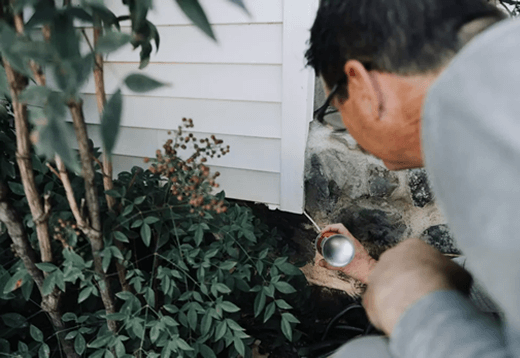
Professional termite inspections involve much more than checking for visible insects. Many infestations remain hidden inside walls, beneath flooring, or underground.
During a termite inspection, trained professionals evaluate vulnerable areas around the property, look for signs of structural damage, identify moisture issues, and determine whether active termite activity is present.
Early treatment can help homeowners avoid more extensive structural repairs later. Professional inspections may also help identify conditions around the home that increase future termite risk.
Sniper Termite & Pest Control provides termite inspections and treatment services for homeowners throughout Fort Worth and surrounding areas.
Schedule a Termite Inspection With Sniper Termite & Pest Control
Termites can cause costly damage long before homeowners realize a problem exists. Recognizing early warning signs and scheduling an inspection early may help homeowners avoid more extensive structural damage and expensive repairs later.
Sniper Termite & Pest Control helps Fort Worth homeowners identify termite activity, evaluate structural risk, and develop treatment plans designed for long-term protection.
If you have noticed mud tubes, swarming termites, damaged wood, or other possible signs of termites around your home, contact Sniper Termite & Pest Control to schedule a professional termite inspection in Fort Worth.
Have Queries?
Pest Control Fort Worth – Best in the Business
Request a Quote Today
Reach Us
Location :
220 S Sylvania Ave, Suite 111,
Fort Worth, TX 76102