
Wasps

Wasps & Stinging Insects in the DFW Metroplex: Identification, Prevention & Treatment

Wasps and other stinging insects are common in the DFW Metroplex, especially in warm months when colonies expand and nest activity increases around eaves, patios, fences, and attics. Stinging pests can be a safety risk for children, pets, and anyone with allergies—and DIY removal is one of the most common causes of stings.

This guide explains how to identify common stinging insects in North Texas, how to prevent nests, and how Sniper Termite & Pest Control safely removes and controls them.
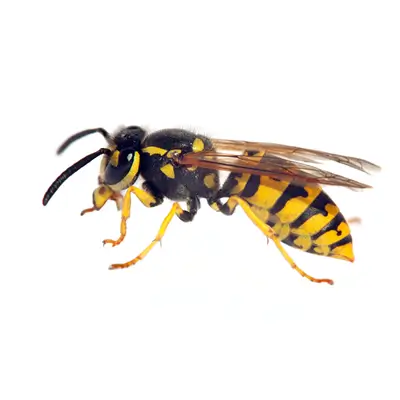
Types of Stinging Insects in the DFW Metroplex

  1. Paper Wasps (Eaves/Porches)
    • Open-comb nests under eaves, patio covers, and beams
    • Defensive near nests; common around entryways
  2. Yellowjackets (Aggressive, Often Ground Nests)
    • More aggressive than many wasps
    • Can nest in wall voids, attics, and sometimes underground
    • Attracted to food and trash during certain times of year
  3. Mud Daubers (Usually Less Aggressive)
    • Build mud tube nests on walls, garages, and under overhangs
    • Often solitary and less defensive (but still a nuisance)
  4. Hornet-like Wasps (Large, Defensive Near Nests)
    • Larger-bodied stinging insects are common around trees and structures
    • Nest location and behavior varies by type

How to Identify a Stinging Insect Problem

Signs of Activity

  • Increased flying insects around rooflines and eaves
  • Visible nests under overhangs, patio covers, or in sheds
  • Repeated insect traffic into a single gap (wall void/soffit entry)
  • Stings occurring near the same area (a nest is likely close)

Why Stinging Insects Thrive in the DFW Metroplex

  1. Long Warm Season
    Colonies have time to grow large, increasing defensive behavior.
  2. Protected Nesting Sites
    Eaves, soffits, fences, and attic edges provide shelter.
  3. Food Sources Nearby
    Trash bins, outdoor eating areas, and sugary drinks can attract certain species.

How to Prevent Wasps in the DFW Metroplex

  1. Reduce Nesting Opportunities
    • Seal gaps in soffits and exterior penetrations
    • Repair damaged screens and vents
    • Keep sheds and patio structures maintained
  2. Manage Outdoor Attractants
    • Keep trash lids closed
    • Clean outdoor eating areas
    • Avoid leaving sugary drinks uncovered
  3. Don’t Knock Down Active Nests
    DIY removal often leads to multiple stings and can miss the main colony.

When to Call a Professional

Call immediately if:

  • The nest is near a doorway, play area, or high-traffic path
  • You suspect a nest in a wall void or attic
  • Anyone in the home has sting allergies
  • You’re seeing repeated wasp traffic into a structure

How Sniper Termite & Pest Control Helps Homeowners in the DFW Metroplex

Our Stinging Insect Service Includes:

  1. Nest Identification + Safety Assessment
    We determine species, nest location, and risk level.
  2. Targeted Removal/Control
    We treat nests and entry points safely and effectively, including difficult roofline and void areas when accessible.
  3. Prevention Guidance
    We recommend the most important exclusion and maintenance steps to reduce recurring nesting.

Why Choose Sniper Termite & Pest Control

  • Local Fort Worth-area service with a safety-first approach
  • Honest recommendations and clear next steps
  • Effective nest control without risky DIY attempts
  • Solutions designed to reduce repeat nesting around patios and entryways

FAQs About Wasps in the DFW Metroplex

  • Are wasps more aggressive in late summer?
    Activity often increases as colonies grow and food sources shift.
  • Can nests be inside walls?
    Yes—some species use wall voids and attic edges.
  • Should I spray a nest at night?
    DIY spraying can still be risky and often fails if the nest is hidden or in a void.
  • Do wasps reuse old nests?
    Many do not reuse the same nest, but they may build nearby if conditions are favorable.
  • What if I see wasps but can’t find the nest?
    That often indicates a hidden nest in eaves, attic edges, or voids.
Scroll to Top