
Ticks

Ticks in the DFW Metroplex: Identification, Prevention & Treatment

Ticks are a common outdoor pest across the DFW Metroplex, especially in yards with tall grass, heavy landscaping, shaded edges, and frequent wildlife traffic. In Fort Worth and surrounding areas, ticks are most often picked up along fence lines, creek corridors, greenbelts, dog parks, and overgrown parts of the yard—then carried inside on pets or clothing.

This guide explains how to identify common ticks in North Texas, how to reduce tick activity around your home, and how Sniper Termite & Pest Control helps DFW families protect pets and people.
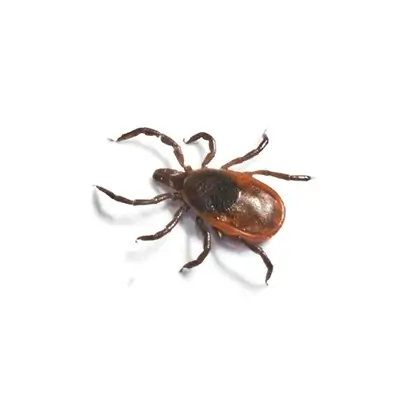
Types of Ticks in the DFW Metroplex

  1. Lone Star Tick (Very Common in North Texas)
    • Frequently found in brushy areas and along trails/wooded edges
    • Aggressive “questing” behavior (more likely to latch on)
    • Often associated with deer and other wildlife
  2. American Dog Tick (Common in Yards and Along Paths)
    • Often found in grassy areas, field edges, and trails
    • Can attach to pets and people near outdoor activity zones
  3. Brown Dog Tick (Common Around Homes with Dogs)
    • More likely to be found where dogs live and rest
    • Can survive in and around structures (kennels, garages, patios)
    • Can become a recurring issue if pets aren’t protected
  4. Blacklegged Tick / Deer Tick (Less Common in DFW, More Regional)
    • Not the most common tick in Fort Worth, but can be present in suitable habitats

For most DFW homeowners, the primary concern is ticks picked up outdoors and brought inside by pets.

How to Identify Ticks in Your Home

Signs of Tick Activity

  • Ticks found on pets (ears, neck, between toes, belly)
  • Family members finding ticks after yard work or walks
  • Unexplained bites after time in tall grass or brushy edges
  • Increased sightings in shaded perimeter zones (fence lines, tree lines, under decks)

DFW Tick Season

Ticks can be active much of the year in North Texas, with higher activity often during:

  • Spring through fall (peak outdoor exposure season)
  • Warm spells in winter (ticks can still be active on mild days)

Why Ticks Thrive in the DFW Metroplex

  1. Wildlife Traffic
    Deer, rabbits, stray cats, and other wildlife move ticks through neighborhoods—especially near greenbelts and creek lines.
  2. Shaded, Humid Harborage
    Ticks prefer protected areas like:

    • Leaf litter and ground cover
    • Overgrown grass and weeds
    • Dense shrubs and landscape beds
    • Under decks and along fence lines
  3. Pets Increase Exposure
    Dogs (and outdoor cats) commonly pick up ticks and transport them back to patios, garages, and inside the home.
  4. Mild Winters
    Ticks don’t “disappear” the way they do in colder climates—DFW can have activity across many months.

How to Prevent Ticks in the DFW Metroplex

  1. Yard Maintenance (Most Effective DIY Step)

    • Keep grass mowed and edges trimmed
    • Remove leaf litter and yard debris
    • Thin dense ground cover near patios and play areas
    • Create a clean border between wooded edges and lawn where possible
  2. Focus on High-Risk Zones
    Ticks concentrate in perimeter areas: fence lines, shaded edges, tree lines, and around sheds/kennels.
  3. Protect Pets Consistently
    • Use vet-recommended tick prevention
    • Check pets after walks, parks, and time in tall grass
    • Wash pet bedding regularly
  4. Reduce Wildlife Attractants

    • Secure trash
    • Avoid feeding wildlife
    • Seal crawlspace/under-deck access points when appropriate
  5. Personal Protection Outdoors
    • Wear long socks/pants when working in brushy areas
    • Shower and check skin after outdoor activity
    • Do tick checks on kids after yard play near edges

When to Call a Professional

Call if you notice:

  • Ticks showing up repeatedly on pets despite yard maintenance
  • Tick sightings in multiple areas of the yard
  • A sudden spike in bites or ticks after wildlife activity
  • Concern about kids, pets, or frequent outdoor use of the yard
  • Brown dog tick issues (recurring ticks around patios/garages/kennels)

Ticks can become a recurring problem if the yard’s “hot zones” aren’t treated and pets aren’t protected.

How Sniper Termite & Pest Control Helps Homeowners in the DFW Metroplex

Sniper Termite & Pest Control reduces tick pressure by targeting the places ticks actually live—not just the middle of the lawn.

Our Tick Service Includes:

  1. Inspection of Tick Hot Spots
    We focus on:

    • Fence lines, tree lines, shaded edges
    • Dense landscaping and ground cover
    • Pet areas (kennels, runs, resting zones)
    • Wildlife pathways and harborage conditions
  2. Targeted Yard Treatments
    We apply treatments to perimeter and harborage zones where ticks concentrate to reduce activity and future exposure.
  3. Guidance for Pet and Yard Prevention
    You receive clear recommendations on mowing/edge control, debris removal, and practical steps that improve long-term results.
  4. Ongoing Protection Options
    For high-exposure properties (greenbelt/creek adjacency, heavy shade, frequent pet traffic), recurring service can help maintain control during peak months.

Why Choose Sniper Termite & Pest Control

  • Local, family-owned team serving Fort Worth and the DFW Metroplex
  • Treatments focused on real tick habitats and property risk factors
  • Clear communication and honest recommendations
  • Practical guidance that helps prevent repeat issues
  • Reliable follow-up options for seasonal protection

FAQs About Ticks in the DFW Metroplex

  • Where are ticks most likely to be in my yard?
    Shaded perimeter zones—fence lines, tree lines, leaf litter, dense ground cover, and pet areas.
  • Can ticks live in my house?
    Most ticks don’t thrive indoors long-term, but they can be carried in on pets and people. Brown dog ticks are the most likely to persist around dog resting areas.
  • Why do I keep finding ticks on my dog?
    Your dog is likely picking them up in high-risk zones (edges, brush, trails). Consistent pet prevention plus yard treatment and maintenance is the best combo.
  • Do I need to treat the whole lawn?
    Usually no—effective tick control focuses on edges and harborage areas where ticks concentrate.
  • How often should tick control be done?
    It depends on shade, wildlife traffic, pet exposure, and season. High-risk properties typically benefit from seasonal or ongoing service.
Scroll to Top