
Termites

Termites in the DFW Metroplex: Identification, Prevention & Treatment

Termites are one of the most destructive pests in the DFW Metroplex, causing thousands of dollars in structural damage before homeowners even realize there’s a problem. North Texas’ warm climate, clay soil, and moisture fluctuations make homes especially vulnerable—especially older homes with pier-and-beam foundations or homes with landscape beds against the structure.

This guide explains how to identify termites, what you can do to prevent infestations, and how Sniper Termite & Pest Control protects DFW families from costly termite damage.
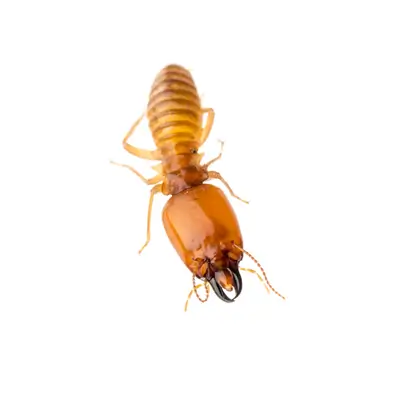
Types of Termites in the DFW Metroplex

  1.  Subterranean Termites (Most Common in North Texas)
    • Live underground in large colonies (up to millions).
    • Require moisture and soil contact.
    • Build mud tubes on slabs, piers, walls, and inside wall voids.
    • Cause the majority of structural damage in Texas.
  2. Formosan Termites (Increasing in North Texas)
    • A more aggressive subterranean species.
    • Larger colonies + faster damage.
    • Seen more frequently in the DFW region due to climate changes and migration from the Gulf Coast.
  3. Drywood Termites (Rare in DFW)
    • Occasionally found in transported or imported wood/furniture.
    • Do not require soil contact.

For homeowners across the DFW Metroplex, subterranean termites are the primary threat.

How to Identify Termites in Your Home

Signs of Termite Activity

  • Mud tubes along the foundation, piers, garage walls, baseboards, or plumbing penetrations.
  • Swarming termites (winged reproductives) inside or outside the home—especially in spring.
  • Discarded wings near windows, sills, or light sources.
  • Wood that sounds hollow when tapped.
  • Soft, warping, or blistering wood, especially around door frames and window frames.
  • Tiny pellets/frass, though more common with drywood species.

DFW Swarm Season

  • Peak swarming: March–June
  • Secondary swarms: after heavy spring rains
  • Swarms inside mean termites are already active inside the structure.

Why Termites Thrive in the DFW Metroplex

DFW conditions give termites everything they need to thrive:

  1. Clay Soil & Moisture
    North Texas clay expands and contracts heavily, creating slab cracks that allow termites in.
  2. Mild Winters
    Termites stay active nearly year-round in DFW.
  3. Landscaping Touching the Home
    Mulch, moisture, flower beds, and wood-to-ground contact create ideal feeding grounds.
  4. Older DFW Homes
    Homes built before the 2000s often have:

    • Untreated soil
    • Poor moisture control
    • Settling foundations

All increasing termite risk.

How to Prevent Termites in the DFW Metroplex

  1. Reduce Moisture at the Foundation
    • Fix gutter and downspout issues
    • Move AC condensation lines away from the foundation
    • Limit mulch to 2–3 inches
    • Maintain 6–8 inches of clearance between soil and siding
  2. Avoid Wood-to-Ground Contact
    Check:

    • Fences
    • Deck posts
    • Landscape timbers
    • Firewood stacks
  3. Seal Entry Points
    • Foundation cracks
    • Gaps around plumbing
    • Expansion joints
    • Utility line penetrations
  4. Schedule Annual Termite Inspections
    In the DFW Metroplex, annual inspections are as essential as HVAC tune-ups.
  5. Never Trust DIY Termite Treatments
    Store-bought products rarely eliminate colonies and can push termites deeper into the structure.

When to Call a Professional

Call immediately if you see:

  • Active mud tubes
  • Swarming termites indoors
  • Unexplained wood damage
  • Small holes in drywall
  • Discarded wings near windows

Termites cause continuous damage and become more expensive the longer they go untreated.

How Sniper Termite & Pest Control Helps Homeowners in the DFW Metroplex

Sniper Termite & Pest Control provides full termite inspection, treatment, and long-term protection services throughout the DFW Metroplex. Our systems are designed for North Texas soil conditions, weather patterns, and construction types.

Our Termite Service Includes:

  1. Comprehensive Termite Inspection
    We evaluate:

    • Crawl spaces, attics, and full exteriors
    • Slab cracks & expansion joints
    • Moisture issues
    • Mud tubes, frass, and hidden termite activity
    • Landscaping and grading issues
      You receive a clear inspection summary + next steps.
  2. Customized Treatment Plan
    We use the industry’s best solutions, including:

    • Liquid barrier treatments (Termidor® or Taurus®)
    • Foam/wall-void applications
    • Termite bait stations for colony elimination
      Treatment is tailored to your home’s layout and soil conditions.
  3. Long-Term Monitoring & Protection
    We offer ongoing monitoring or annual renewals for peace of mind.
  4. Technicians Trained for DFW Homes
    We understand:

    • North Texas clay movement
    • Pier-and-beam homes
    • Slab-on-grade vulnerabilities
    • Local building styles and termite patterns
      Our technicians know exactly where termites hide in DFW homes.

Why Choose Sniper Termite & Pest Control

  • Local, family-owned pest control team
  • Years of termite expertise in the DFW Metroplex
  • Fast scheduling & honest recommendations
  • Termidor-certified application specialists
  • Clear communication and upfront pricing
  • Satisfaction guaranteed

FAQs About Termites in the DFW Metroplex

  • When do termites swarm in DFW?
    Most swarms occur in spring (March–June), especially after rain.
  • Does homeowners insurance cover termite damage?
    No. Prevention is crucial.
  • Can termites be treated without a professional?
    DIY products rarely eliminate colonies and can worsen infestations.
  • How long does it take for termites to cause damage?
    Large colonies can cause serious structural damage within months.
  • How often should I have my home inspected?
    At least once a year in North Texas.
Scroll to Top