
Spiders

Spiders in the DFW Metroplex: Identification, Prevention & Treatment

Spiders are common in the DFW Metroplex year-round, especially in garages, sheds, attics, and around exterior lights. In most cases, spiders are a nuisance pest—but some North Texas species can pose a medical concern. Spiders also tend to show up more often when there are other insects around, since insects are their food source.

This guide explains how to identify common spiders in Fort Worth and across DFW, how to reduce spider activity, and how Sniper Termite & Pest Control helps keep spiders out of your home.
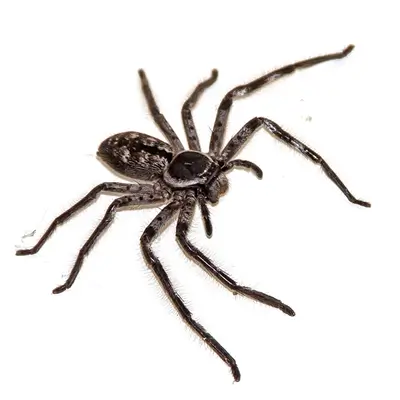
Types of Spiders in the DFW Metroplex

  1. Common House Spiders (Most Frequent Indoors)
    • Small to medium spiders found in corners, ceilings, closets, and garages
    • Build messy webs in low-traffic areas
    • Usually harmless but persistent
  2. Wolf Spiders (Large, Fast, Often Found on Floors)
    • Don’t rely on webs to hunt; often seen running across floors
    • Common in garages and near doors
    • Typically enter from outside
  3. Jumping Spiders (Small, Active, Often Near Windows)
    • Curious, quick-moving spiders with excellent vision
    • Usually harmless and common around windows and exterior walls
  4. Brown Recluse (Possible in North Texas, Less Common Than People Think)
    • Prefers dark, undisturbed spaces: closets, storage boxes, attics
    • Bites are uncommon but can be medically significant
    • Often misidentified—many harmless spiders are mistaken for recluse
  5. Black Widow (Common Outdoors, Sometimes in Garages/Sheds)
    • Often found in cluttered areas: wood piles, storage, under ledges
    • Shiny black with red markings; bite can be serious

In Fort Worth and most of DFW, the majority of spider calls involve nuisance web builders—plus occasional concerns about recluse or widow spiders in storage areas.

How to Identify Spiders in Your Home

Signs of Spider Problems

  • Webs in corners, ceilings, garage tracks, and around exterior doors
  • Spiders seen repeatedly near windows, baseboards, and closets
  • Egg sacs in undisturbed areas (garage, attic corners, storage)
  • Increased spiders around porches and exterior lights

Where Spiders Commonly Hide in DFW Homes

  • Garages (especially around door tracks and stored items)
  • Attics and closets
  • Behind furniture and appliances
  • Sheds, patio covers, and outdoor storage
  • Around windows and exterior lighting

Why Spiders Thrive in the DFW Metroplex

  1. Spiders Follow Their Food
    If you have lots of flying insects, roaches, ants, or crickets, spiders will show up too.
  2. Warm Weather + Outdoor Lighting
    Exterior lights attract bugs, which attracts spiders—often right around entry doors and patios.
  3. Clutter and Storage Create Harborage
    Boxes, stacked items, and undisturbed corners give spiders hiding places to build webs and lay egg sacs.
  4. Easy Entry Points
    Small gaps around doors, windows, soffits, and garage seals allow spiders (and their prey insects) inside.

How to Prevent Spiders in the DFW Metroplex

  1. Reduce Insects (The Real Driver)
    • Address ants, roaches, crickets, and flies (spider food)
    • Keep trash areas clean and sealed
    • Reduce moisture that attracts insects
  2. Improve Exclusion
    • Repair door sweeps and weather stripping
    • Seal gaps around windows and plumbing penetrations
    • Keep garage door seals intact
    • Screen vents appropriately
  3. Limit Web-Friendly Zones
    • Keep storage off the floor and away from walls
    • Reduce clutter in garages, closets, and attics
    • Vacuum webs and egg sacs regularly
  4. Adjust Exterior Lighting (If Practical)
    Bugs swarm lights at night. Moving lights away from doors or using less bug-attractive bulbs can reduce insect—and spider—activity near entry points.

When to Call a Professional

Call if you notice:

  • Spiders increasing despite regular cleaning
  • Web buildup around entryways, patios, and garages
  • Suspected black widow or brown recluse activity
  • Spiders in children’s rooms, bedding areas, or high-traffic zones
  • A recurring issue tied to other pests (crickets/roaches)

How Sniper Termite & Pest Control Helps Homeowners in the DFW Metroplex

Sniper Termite & Pest Control reduces spider activity by combining exterior protection + interior targeting + prey insect control.

Our Spider Service Includes:

  1. Inspection of Hot Spots & Entry Points
    We identify where spiders are nesting and what’s drawing them in (web zones, lighting, moisture, insect activity).
  2. Targeted Treatments Where Spiders Live
    • Exterior perimeter treatments focused on eaves, door thresholds, and garage entry points
    • Dusting or crack-and-crevice work where needed (especially garages and storage areas)
    • Web removal guidance for faster visible improvement
  3. Integrated Control for Spider Food Sources
    Reducing crickets, roaches, and other insects often provides the biggest long-term reduction in spiders.
  4. Prevention Guidance for DFW Homes
    You receive clear steps for sealing gaps, reducing clutter, and improving exterior conditions that support spider activity.

Why Choose Sniper Termite & Pest Control

  • Local, family-owned pest control team serving Fort Worth and the DFW Metroplex
  • Practical solutions that reduce spiders and the insects that attract them
  • Honest recommendations and clear communication
  • Fast scheduling and reliable follow-up options
  • Focus on long-term results—not temporary “spray-only” relief

FAQs About Spiders in the DFW Metroplex

  • Are most spiders in DFW dangerous?
    No—most are nuisance spiders. Concerns usually focus on black widows and possible brown recluse activity in storage areas.
  • Why do I see spiders mostly in my garage?
    Garages provide insects, clutter, and low-disturbance corners—ideal spider conditions.
  • Do spiders mean my home is dirty?
    No. Spiders are usually responding to prey insects and available hiding spots.
  • Will one treatment eliminate spiders forever?
    Spiders can reappear if insects and entry points remain. Ongoing prevention provides the best results.
  • What should I do if I think I found a black widow or brown recluse?
    Avoid handling it, reduce clutter around the area, and schedule a professional inspection if activity continues.
Scroll to Top