
Scorpions

Scorpions in the DFW Metroplex: Identification, Prevention & Treatment

Scorpions are an occasional but stressful pest problem in the DFW Metroplex—especially in areas with new construction, rocky landscaping, and properties near greenbelts or creek lines. While most scorpion encounters in Fort Worth and surrounding cities are sporadic, scorpions can enter homes through small gaps and hide in garages, bathrooms, closets, and shoes.

This guide explains how to identify scorpions in North Texas, what attracts them, how to prevent them, and how Sniper Termite & Pest Control helps reduce scorpion activity around DFW homes.
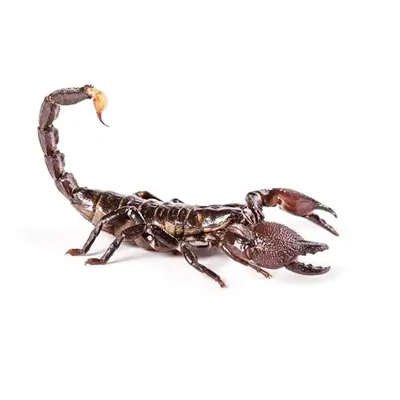
Types of Scorpions in the DFW Metroplex

  1. Striped Bark Scorpion (Most Common in North Texas)
    • Tan/light brown with darker striping
    • Often found under rocks, landscape timbers, and debris
    • Can climb textured surfaces and hide in tight cracks
  2. Other Occasional Species
    There are other scorpions found in Texas, but in the DFW Metroplex the striped bark scorpion is the one most homeowners encounter.

How to Identify Scorpions in Your Home

Signs of Scorpions Around the Property

  • Scorpions found in garages, bathrooms, or near baseboards
  • Sightings around rock landscaping, stacked firewood, or debris piles
  • Increased activity during hot, dry periods or after heavy rains
  • Scorpions found in shoes, towels, or storage areas (rare but possible)

DFW Scorpion Behavior

Scorpions are nocturnal and often hide during the day. If you’re seeing them frequently inside, there may be outdoor harborage and/or abundant prey insects near the home.

Why Scorpions Thrive in the DFW Metroplex

  1. They Follow Their Food
    Scorpions feed on insects—especially crickets, roaches, and other crawling pests. If those pests are active, scorpions are more likely to show up.
  2. Harborage Around Foundations
    Common scorpion hiding places include:

    • Rock/mulch landscaping and landscape timbers
    • Firewood stacks
    • Yard debris, clutter, and stored items along exterior walls
    • Gaps under porch slabs, patios, and steps
  3. Entry Points into Homes
    Scorpions can enter through:

    • Worn door sweeps and garage seals
    • Gaps around plumbing penetrations
    • Foundation cracks and expansion joints
    • Weep holes and siding gaps (depending on construction)
  4. Construction and Disturbed Habitat
    New construction and lot clearing can displace scorpions, pushing them into nearby structures and neighborhoods.

How to Prevent Scorpions in the DFW Metroplex

  1. Reduce Prey Insects (Biggest Long-Term Driver)
    • Control crickets and roaches
    • Reduce moisture that attracts insects
    • Manage exterior lighting that pulls bugs toward doors and patios
  2. Improve Exclusion (Seal the Gaps)
    • Install/repair door sweeps and weather stripping
    • Seal gaps around pipes under sinks and behind toilets
    • Maintain garage door bottom seals
    • Address cracks at thresholds and exterior transitions
  3. Remove Harborage Near the Home
    • Keep firewood elevated and away from the structure
    • Reduce clutter against the foundation
    • Avoid stacking rocks, timbers, or stored items directly against exterior walls
    • Keep landscaping trimmed and less dense near entry points
  4. Check High-Risk Items Indoors
    If you’re in an area with scorpion activity:

    • Shake out shoes left on the floor (especially in garages)
    • Avoid leaving towels/clothes on the ground
    • Keep beds slightly away from walls and avoid bedding touching the floor

When to Call a Professional

Call if you notice:

  • Multiple scorpion sightings inside the home
  • Scorpions in bedrooms, bathrooms, or children’s areas
  • Increased cricket/roach activity (a common precursor to scorpions)
  • Recurring sightings around garages, patios, and entry doors
  • Concern about stings for kids, pets, or sensitive individuals

How Sniper Termite & Pest Control Helps Homeowners in the DFW Metroplex

Scorpion control in DFW is most effective when it combines exterior protection + prey insect reduction + exclusion guidance.

Our Scorpion Service Includes:

  1. Property Inspection Focused on Harborage & Entry Points
    We identify:

    • Exterior hiding places (rock beds, timbers, clutter zones)
    • Likely entry points (doors, garage, plumbing penetrations)
    • The insects attracting scorpions (crickets, roaches, etc.)
  2. Targeted Exterior Treatments
    We focus on perimeter zones, foundation lines, entry thresholds, garage areas, and scorpion harborage zones.
  3. Integrated Control for Crickets and Roaches
    Reducing prey insects often produces the biggest long-term reduction in scorpions.
  4. Prevention Recommendations Tailored to Your Home
    You receive clear, prioritized steps to seal gaps and reduce the conditions that support scorpions around DFW homes.

Why Choose Sniper Termite & Pest Control

  • Local, family-owned pest control team serving Fort Worth and the DFW Metroplex
  • Practical scorpion strategies based on real North Texas conditions
  • Honest recommendations, clear communication, and fast scheduling
  • Focus on long-term reduction through exclusion and prey control
  • Reliable follow-up options for ongoing prevention

FAQs About Scorpions in the DFW Metroplex

  • Are scorpion stings dangerous?
    Most stings are painful and cause local reactions, but risk is higher for young children, pets, and those with sensitivities. If symptoms are severe, seek medical care.
  • Why do I see scorpions in my bathroom?
    Bathrooms offer moisture and access through plumbing penetrations and wall voids, and scorpions may also be hunting insects.
  • Do scorpions come up through drains?
    It’s more common for them to enter through gaps around plumbing and thresholds, but plumbing chases and wall voids can connect to damp areas.
  • What attracts scorpions the most?
    Crickets and roaches (food), plus exterior harborage like rocks, debris, and clutter against the home.
  • Can you eliminate scorpions completely?
    In DFW, the goal is significant reduction and prevention. Consistent exterior service, prey insect control, and sealing entry points provide the best results.
Scroll to Top