
Chiggers

Chiggers in the DFW Metroplex: Identification, Prevention & Treatment

Chiggers are a common outdoor nuisance in the DFW Metroplex, especially during warm months when people spend more time in yards, parks, and grassy areas. In Fort Worth and surrounding areas, chigger bites often show up after mowing, weed-eating, hiking, sitting in grass, or working in landscape beds—especially near brushy edges and overgrown patches.

This guide explains how to identify chigger problems, how to reduce chigger activity around your property, and how Sniper Termite & Pest Control helps DFW homeowners get relief.
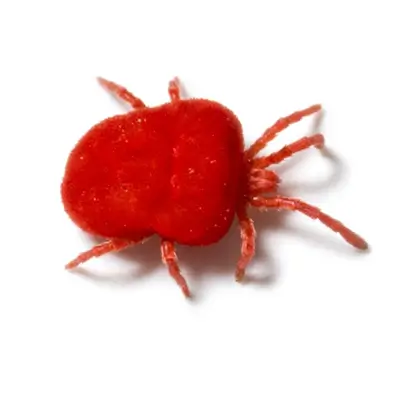
What Are Chiggers?

Chiggers are the immature stage (larvae) of certain mites. They are extremely small and hard to see, but their bites can cause intense itching and irritation. Chiggers are commonly picked up outdoors in tall grass, weeds, and brushy areas—not typically from inside the home.

How to Identify Chigger Activity

Signs of Chigger Problems

  • Intense itching that starts hours after outdoor activity
  • Clusters of small red bumps, often around:
    • Ankles and sock lines
    • Waistbands
    • Behind knees
    • Under tight clothing areas
  • Bites after working in overgrown grass, weeds, or brushy edges
  • Multiple family members experiencing bites after time in the same outdoor area

Important Note

Chigger bites are frequently confused with fleas, mosquitoes, or other biting pests. If bites are persistent and you’re unsure of the source, a property inspection can help narrow it down.

Why Chiggers Thrive in the DFW Metroplex

  1. Warm Season Outdoor Conditions
    Chiggers are most common when temperatures are warm and humidity supports outdoor mite activity.
  2. Overgrown Vegetation and Brushy Edges
    Chiggers concentrate in:

    • Tall grass and weeds
    • Brush lines and fence lines
    • Landscape beds with dense ground cover
    • Areas that stay shaded and humid
  3. Wildlife and Rodent Activity
    Chiggers can be associated with wildlife pathways and areas with frequent animal traffic.

How to Prevent Chiggers in the DFW Metroplex

  1. Yard Maintenance (Most Effective Step)
    • Keep grass mowed regularly
    • Weed-eat and trim fence lines and brushy edges
    • Reduce dense ground cover near play areas and patios
    • Remove yard debris and leaf litter where practical
  2. Focus on High-Risk Areas
    Treating or improving conditions along shaded edges, fence lines, and brush zones is typically more effective than focusing on the middle of the lawn.
  3. Personal Protection Outdoors
    • Wear long socks and pants when working in tall grass
    • Tuck pants into socks when in high-risk areas
    • Shower soon after outdoor activity
    • Wash outdoor clothing promptly
  4. Manage Wildlife Attractants
    Reducing rodent/wildlife activity near the home can help reduce conditions that support mites and similar biting pests.

When to Call a Professional

Call if:

  • Bites occur repeatedly after using your yard
  • You’ve improved mowing and trimming but still have heavy exposure
  • Chiggers are interfering with outdoor use (kids, pets, gatherings)
  • You suspect a concentrated “hot zone” along fence lines or brush edges

Chigger problems often come from specific zones on a property—targeting those areas matters.

How Sniper Termite & Pest Control Helps Homeowners in the DFW Metroplex

Sniper Termite & Pest Control reduces chigger activity by focusing on the places they live and the conditions that support them.

Our Chigger Service Includes:

  1. Inspection of Likely Hot Spots
    We evaluate:

    • Tall grass and overgrowth zones
    • Fence lines, brush lines, shaded edges
    • Landscape beds and ground cover
    • Wildlife pathways and pet areas
  2. Targeted Yard Treatments
    We apply treatments to harborage areas where chiggers concentrate, helping reduce exposure and recurring bites.
  3. Prevention Recommendations
    You receive clear, practical steps for mowing, trimming, and reducing the shaded, humid zones that contribute to chigger pressure.
  4. Ongoing Options (If Needed)
    High-exposure properties—especially those near greenbelts, creeks, or heavy shade—may benefit from recurring seasonal service.

Why Choose Sniper Termite & Pest Control

  • Local, family-owned team serving Fort Worth and the DFW Metroplex
  • Treatments focused on real chigger habitats, not generic “spray the lawn” approaches
  • Clear communication and honest recommendations
  • Practical guidance that improves long-term results
  • Reliable follow-up options for seasonal outdoor pest control

FAQs About Chiggers in the DFW Metroplex

  • Do chiggers burrow into skin?
    No. They bite and cause irritation, but they do not live under the skin.
  • Why do bites show up later?
    Itching and irritation can start hours after exposure, making it hard to pinpoint where you picked them up.
  • Where are chiggers most common in my yard?
    Overgrown or shaded areas—especially fence lines, brushy edges, tall grass, and dense ground cover.
  • Are chiggers the same as fleas?
    No. Fleas are usually tied to pets and often bite around ankles indoors and outdoors. Chiggers are typically picked up outdoors in tall grass/brush.
  • Do I need to treat the whole lawn?
    Usually not. Effective control focuses on edges and overgrown zones where chiggers concentrate.
Scroll to Top