
Ants

Ants in the DFW Metroplex: Identification, Prevention & Treatment

Ants are one of the most common household pests in the DFW Metroplex. From nuisance ants in kitchens to aggressive stinging ants in yards, North Texas heat, irrigation, and expanding neighborhoods create ideal conditions for ant activity—especially around slabs, plumbing penetrations, and landscaped foundations.

This guide explains how to identify common ants in DFW, what you can do to prevent infestations, and how Sniper Termite & Pest Control protects Fort Worth-area homes and businesses from recurring ant problems.
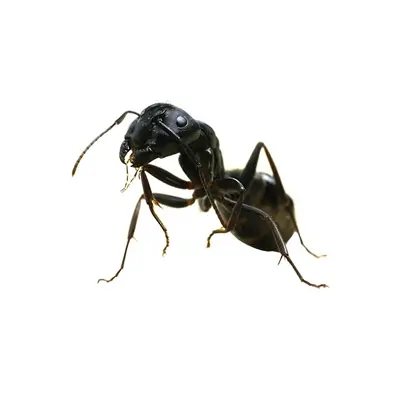
Types of Ants in the DFW Metroplex

  1. Fire Ants (Most Common Yard/Stinging Ant)
    • Build visible mounds in lawns, flower beds, and along sidewalks
    • Aggressive; sting causes painful welts (and can be dangerous for allergic individuals)
    • Thrive in sunny, irrigated turf and disturbed soil
  2. Carpenter Ants (Wood-Damaging, Moisture-Related)
    • Prefer damp/rotting wood (windows, soffits, leaks, fascia)
    • Can worsen existing wood damage, especially around moisture issues
    • Often found near bathrooms, kitchens, and roofline leaks
  3. Odorous House Ants (Kitchen Invaders)
    • Attracted to sweets and moisture
    • Frequently trail along baseboards, plumbing lines, and countertops
    • Known for a strong odor when crushed
  4. Pavement Ants & Common “Sugar Ants”
    • Nest under slabs, pavers, and expansion joints
    • Common in driveways, patios, and foundation edges

For most homeowners in Fort Worth and across DFW, fire ants and indoor “trail ants” are the main recurring issues.

How to Identify Ants in Your Home

Signs of Ant Activity

  • Ant trails along baseboards, counters, or exterior foundation lines
  • Small piles of soil/grit near cracks, pavers, or expansion joints
  • Fire ant mounds in turf or landscape beds
  • “Flying ants” (swarmers) near windows or lights (often seasonal)
  • Carpenter ant activity near moisture-damaged wood

Important Note About “Flying Ants” vs. Termites

Flying ants are common in warm months, but termites can also swarm in DFW. If you see winged insects indoors and aren’t sure which they are, it’s worth a professional inspection.

Why Ants Thrive in the DFW Metroplex

DFW conditions give ants everything they need:

  1. Heat + Irrigation
    Lawns, drip lines, and foundation watering create moisture pockets ants love.
  2. Slab Cracks & Expansion Joints
    North Texas soil movement can open cracks that become highways into kitchens and wall voids.
  3. Landscaping Against the Home
    Mulch, flower beds, and edging against foundations provide nesting sites and shelter.
  4. Easy Food Sources Indoors
    Crumbs, pet food, and even small spills keep colonies coming back.

How to Prevent Ants in the DFW Metroplex

  1. Remove Food & Water Attractants
    • Store food in sealed containers
    • Clean spills quickly (especially sweets/grease)
    • Avoid leaving pet food out overnight
    • Fix dripping faucets and slow leaks
  2. Reduce Foundation Moisture & Harborage
    • Keep mulch to 2–3 inches
    • Maintain a clear, dry border around the foundation where possible
    • Trim vegetation away from exterior walls
  3. Seal Entry Points
    • Caulk gaps around pipes and under sinks
    • Seal cracks at baseboards and exterior thresholds
    • Address slab cracks and expansion joints when practical
  4. Avoid “Spray-Only” DIY Control
    Many store-bought sprays kill visible ants but don’t eliminate the colony, often causing the infestation to spread to new areas.

When to Call a Professional

Call if you notice:

  • Ants returning weekly despite cleaning and DIY products
  • Fire ant mounds multiplying across the yard
  • Ants coming from wall voids, outlets, or plumbing lines
  • Carpenter ant activity near moisture-damaged wood
  • Ants in multiple rooms (kitchen + bathrooms is common)

How Sniper Termite & Pest Control Helps Homeowners in the DFW Metroplex

Sniper provides targeted ant control designed for North Texas conditions and recurring colony behavior.

Our Ant Service Includes:

  1. Detailed Inspection & Species ID
    We locate trails, nesting zones, entry points, and moisture drivers.
  2. Colony-Targeted Treatment
    • Strategic baiting for colony elimination (when appropriate)
    • Interior crack-and-crevice treatments as needed
    • Exterior perimeter control to stop re-entry
  3. Yard Solutions for Fire Ants
    We treat active mound zones and high-risk areas to reduce stings and reinfestation.
  4. Prevention Guidance
    You receive clear next steps for moisture, landscaping, and exclusion improvements.

Why Choose Sniper Termite & Pest Control

  • Local, family-owned team serving Fort Worth and the DFW Metroplex
  • Honest recommendations and clear communication
  • Fast scheduling and dependable follow-up options
  • Solutions designed to stop repeat infestations, not just visible ants

FAQs About Ants in the DFW Metroplex

  • Why do ants keep coming back?
    Because the colony remains active and conditions (food/moisture/entry points) are still favorable.
  • Are fire ants worse in summer?
    They’re active most of the warm season; irrigation and rain patterns can shift mound locations.
  • Do baits work?
    Yes—when the right bait is used for the right species and placed correctly.
  • Can carpenter ants damage my home?
    They don’t eat wood like termites, but they can worsen moisture-damaged areas by nesting in them.
  • How quickly can you stop an indoor ant trail?
    Often quickly, but full elimination depends on colony location and species.
Scroll to Top