Are Pest Control Treatments Safe for Pets?
Many homeowners and renters hesitate to schedule pest control because they worry about how treatments might affect their pets. Dogs and cats spend much of their time on floors, carpets, and outdoor areas where pest control products may be applied, so it is natural for pet owners to question whether these treatments are safe.
Sniper Termite and Pest Control often hears this concern from families who want to protect their home from pests while also keeping their pets safe. The good news is that modern pest control treatments are designed and regulated with safety in mind when they are used properly and applied by trained professionals.
Pet Owners’ Pest Control Concerns
Pet owners often question whether pest control is safe because animals interact with the home differently than people do.
Common behaviors that raise concerns include:
Walking across treated floors, patios, or yards
Lying on carpets and rugs
Licking paws or fur during grooming
Investigating new smells around the home
Because of these habits, some homeowners worry their pets could ingest residue after walking through treated areas, which can raise concerns about pesticide exposure on treated surfaces or even pesticide poisoning in extreme cases.
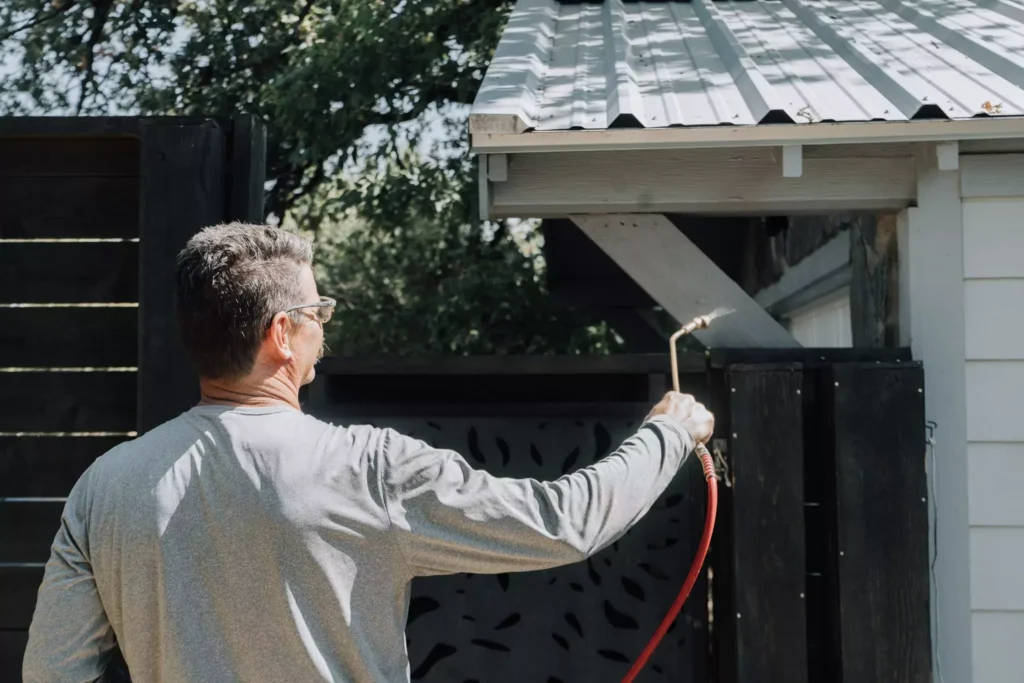
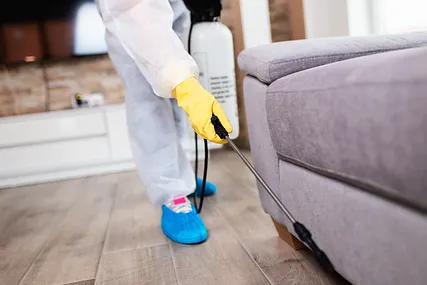
Much of this concern also comes from older pest control practices. Modern pest treatment methods are more targeted, with technicians applying pet-safe pest control products on entry points, cracks, and pest hiding areas instead of spraying large open spaces.
Are Modern Pest Control Treatments Safe for Pets?
In most cases, modern pest control treatments are safe for pets when they are applied correctly and label directions are followed. Many professional companies use safe products designed to control insects while limiting risk to people and household pets. These pet-safe products are developed to manage pest problems while supporting overall pet safety.
Safety Standards
Pest control products must go through testing and regulatory review before they can be used in residential environments. Safe products are evaluated based on their active ingredients and how they may affect people, household pets, and the surrounding environment. Labels also contain specific instructions about how much product can be used and where it can be applied, which helps protect pet safety when treatments are performed correctly by a pest control professional.
Why Professional Application Matters
A trained pest control expert applies treatments in controlled amounts and focuses on pest hiding areas such as cracks, crevices, baseboards, and exterior entry points. Proper application methods help limit pesticide exposure while still controlling pest infestations. A professional pest control company will also build a pest control plan based on the home, ongoing pest issues, and the presence of household pets. Targeting these locations while avoiding toxic chemicals helps control pests effectively while limiting unnecessary exposure in areas where pets live and move around the home. This approach is often considered the best way to control pests without creating unnecessary risks for household pets.
What Pet Owners Should Do Before and After Pest Control
Pet owners can also take simple steps to make pest control safer for their animals and reduce potential risks to their pet’s health.
Before Treatment
Before a scheduled service, move pet food, water bowls, toys, and bedding away from areas that may be treated so they are not exposed to pest treatment products. Let the technician know what types of household pets live in the home so they can adjust the pest treatment if necessary.
After Treatment
After service, follow the technician’s instructions about when pets can return to treated areas. In most cases, this simply means waiting until products have dried. Once treatments are dry and settled, normal activity can usually resume, and pet-friendly pest control treatments will not pose a risk.
Pests Can Also Be Harmful to Pets
While some homeowners worry about pest control products, pests themselves can create real risks for animals. Certain pest issues, such as fleas, ticks, or bed bugs, can lead to health issues, allergic reactions, or diseases that affect both pets and people. Fleas and ticks can spread disease, rodents can carry bacteria, and stinging insects may injure curious pets. Controlling pest problems early helps protect both people and animals and is often safer than allowing infestations to grow inside the home.
Explore Pet-Friendly Pest Control Options
For homeowners who want reliable protection and pet-friendly pest control solutions, working with an experienced provider makes a difference.
Sniper Termite and Pest Control understands the concerns pet owners have and uses responsible methods designed for real homes with animals. As a professional pest control company, the goal is to deliver effective pest control solutions while protecting pets and providing homeowners with peace of mind. Speaking with a pest control expert can help you choose the safest approach for your home while keeping your pets protected.
Frequently Asked Questions About Pest Control and Pets
What is integrated pest management?
Integrated pest management is an approach that focuses on prevention, monitoring, and targeted treatments rather than heavy pesticide use. The goal is to control pests while reducing unnecessary pesticide exposure for people and household pets.
How long should pets stay away after pest control?
In most cases, pets can return to treated areas once products have completely dried. Drying time may vary depending on the pest treatment used, so it is always best to follow the technician’s instructions.
Are pest control treatments safe for dogs and cats?
When applied according to label directions and by trained professionals, most modern treatments used in pet-friendly pest control programs are considered safe for dogs and cats.
What if my pet walks through a treated area?
If a pet walks through a treated area before it has dried, wipe or rinse their paws to remove residue. Following the recommended wait time normally prevents this situation.
Do I need to leave my home during pest control?
Most routine pest control services do not require homeowners or pets to leave for long periods. In many cases, staying out of treated areas until products dry is the only precaution needed.