
Aphids

Aphids in the DFW Metroplex: Identification, Prevention & Treatment

Aphids are one of the most common plant pests in the DFW Metroplex, especially in spring and fall when temperatures are mild and new plant growth is tender. In Fort Woth and across North Texas, aphids can quickly infest roses, crape myrtles, hibiscus, vegetables, and many landscape plants—causing curled leaves, sticky residue, and sooty mold.

This guide explains how to identify aphids, what attracts them, how to prevent infestations, and how Sniper Termite & Pest Control helps DFW homeowners protect their landscape.
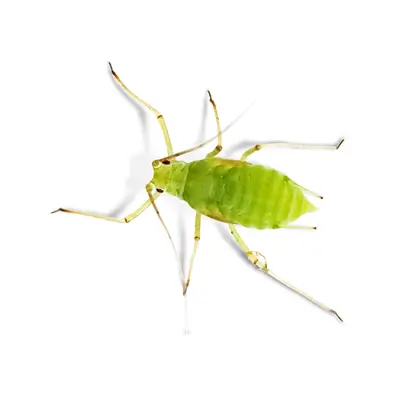
Types of Aphids in the DFW Metroplex

  1. Green Aphids (Common on New Growth)
    • Often cluster on tender leaves, buds, and stems
    • Common on vegetables, annuals, and ornamentals
  2. Black Aphids (Common on Some Ornamentals and Edibles)
    • Often found on stems and undersides of leaves
    • Can build up rapidly on stressed plants
  3. Oleander Aphids (Bright Yellow/Orange)
    • Common on milkweed and oleander
    • Easy to spot due to their color and heavy clustering

Across DFW, the exact aphid species matters less than the pattern: aphids multiply fast and concentrate on new growth.

How to Identify Aphids in Your Home

Signs of Aphid Activity

  • Clusters of tiny insects on the underside of leaves or on new shoots
  • Curling, yellowing, or distorted leaves
  • Sticky residue (honeydew) on leaves, patio furniture, cars, or walkways beneath plants
  • Sooty mold (a black, dusty-looking fungus) growing on honeydew-coated surfaces
  • Increased ant activity on plants (ants “farm” aphids for honeydew)
  • Weak buds or slowed plant growth

Why Aphids Thrive in the DFW Metroplex

  1. Mild Seasons + Flushes of New Growth
    Aphids thrive when plants are putting out tender new leaves—common in spring and fall in North Texas.
  2. Stressed Plants
    Heat stress, inconsistent watering, and poor soil conditions can make plants more susceptible.
  3. Over-Fertilization
    High nitrogen fertilizers can create soft, lush growth that aphids prefer.
  4. Ant Protection
    Ants protect aphids from predators and help populations grow, especially on ornamentals and shrubs.

How to Prevent Aphids in the DFW Metroplex

  1. Inspect Plants Weekly During Peak Seasons
    Check undersides of leaves and new growth on roses, crape myrtles, hibiscus, and vegetables.
  2. Avoid Excess Nitrogen
    Use fertilizer carefully—too much can trigger aphid-friendly growth.
  3. Manage Ants
    Reducing ants around landscape beds can help natural predators (lady beetles, lacewings) control aphids.
  4. Use Water to Knock Them Off Early
    A strong spray of water can reduce small infestations, especially when caught early.
  5. Encourage Plant Health
    Consistent watering and proper pruning improve resistance and reduce stress-driven outbreaks.

When to Call a Professional

Call if you notice:

  • Repeated aphid outbreaks despite rinsing and basic treatments
  • Sticky honeydew coating patios, cars, or walkways
  • Sooty mold spreading on leaves or nearby surfaces
  • Heavy ant activity paired with leaf curling and stunted growth
  • Aphids affecting vegetable yield or ornamental blooms

Aphids can spread quickly—early intervention helps protect plant health and appearance.

How Sniper Termite & Pest Control Helps Homeowners in the DFW Metroplex

Sniper Termite & Pest Control helps reduce aphid pressure by combining targeted plant treatments with ant management and prevention guidance.

Our Aphid Service Includes:

  1. Plant & Landscape Inspection
    We identify:

    • Which plants are affected and how severe the infestation is
    • Where aphids are concentrated (new growth vs. widespread coverage)
    • Contributing factors like ants, irrigation patterns, and plant stress
  2. Targeted Treatment Plan
    We use professional-grade solutions designed to reduce aphids while protecting the landscape (treatment approach varies by plant type and location).
  3. Ant Control Support (When Needed)
    Because ants often increase aphid survival, controlling ants around beds can improve long-term results.
  4. Prevention Recommendations for North Texas Landscapes
    You receive clear steps for inspection timing, watering practices, and landscape adjustments that reduce recurring outbreaks.

Why Choose Sniper Termite & Pest Control

  • Local, family-owned team serving Fort Worth and the DFW Metroplex
  • Practical plant pest solutions tailored to North Texas conditions
  • Clear communication and honest recommendations
  • Focus on long-term reduction—not temporary knockdown only
  • Reliable follow-up options for recurring seasonal issues

FAQs About Aphids in the DFW Metroplex

  • Do aphids kill plants?
    They can severely stress plants, reduce blooms, and damage new growth. Some plants recover well, but heavy infestations can cause long-term decline.
  • Why are ants all over my plants when I have aphids?
    Ants feed on aphid honeydew and protect aphids from predators, helping infestations grow.
  • What is the sticky stuff under my trees or shrubs?
    That’s often honeydew from aphids (or similar sap-feeding insects). It can lead to sooty mold.
  • Are aphids worse at certain times of year in DFW?
    Yes—spring and fall are the most common peak seasons due to mild temperatures and new growth.
  • Can I spray them off with water?
    For small infestations, yes. If they keep returning or coverage is heavy, professional treatment and ant management can help.
Scroll to Top